
Green coffee, bought at the source.
Three ways to buy Kenyan coffee
Individual lots. Cup our samples, choose a lot, and buy from one bag.
Kenya Slot Program. Kenya on your menu all year, with a yearly commitment.
NCE representation. Our sister company bids for you at the Nairobi Coffee Exchange, and you import the coffee yourself.
How it works
Tell us what you’re after: region, grade, cup profile, volume and timing.
We cup and shortlist lots ahead of each auction.
You cup our samples before we commit.
We buy at the Nairobi Coffee Exchange or through licensed channels in Kenya.
We export and import: from Mombasa through the Port of New York/New Jersey, with Marcus & Beams International LLC as US importer.
2026/27 main crop
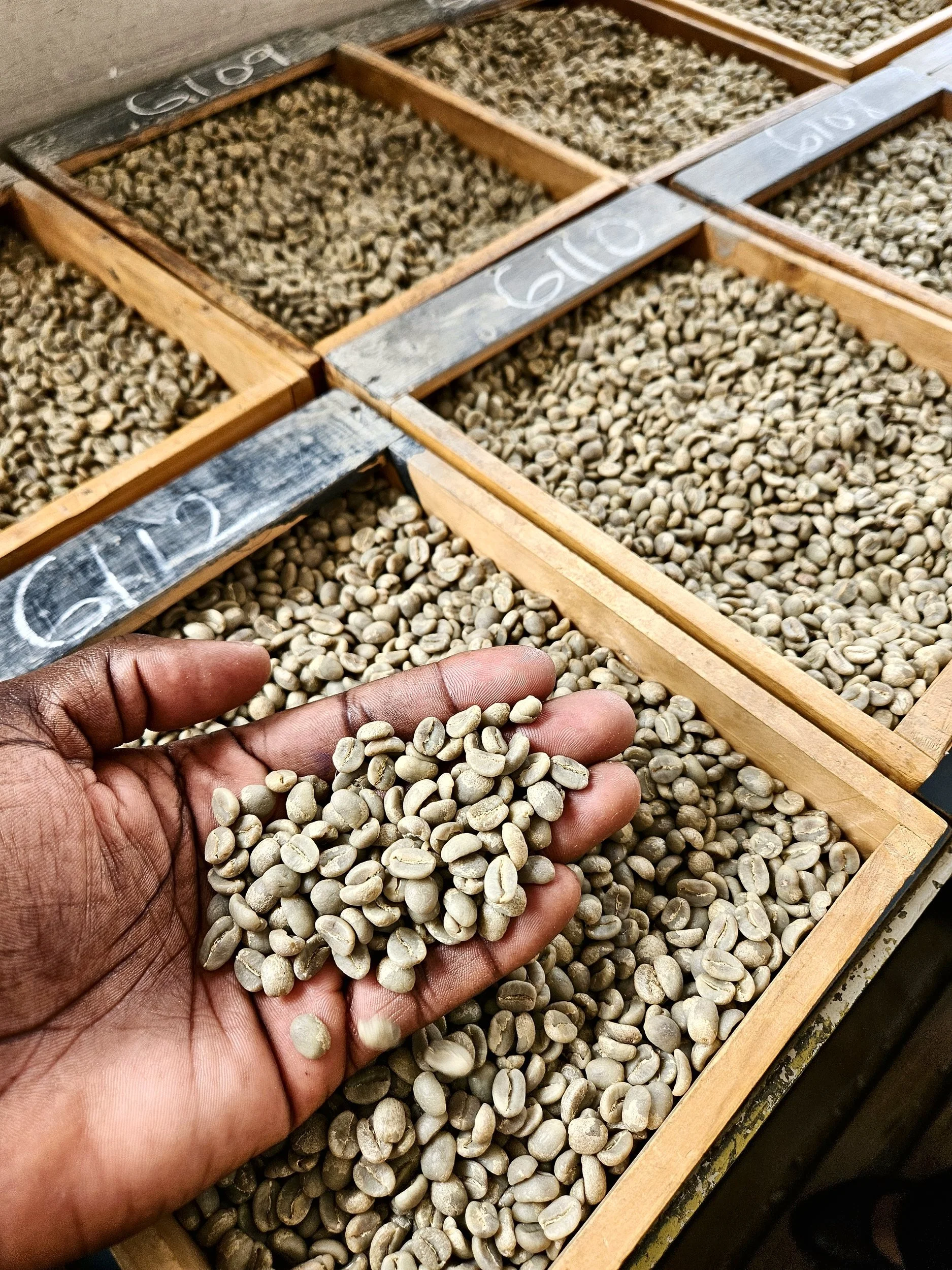
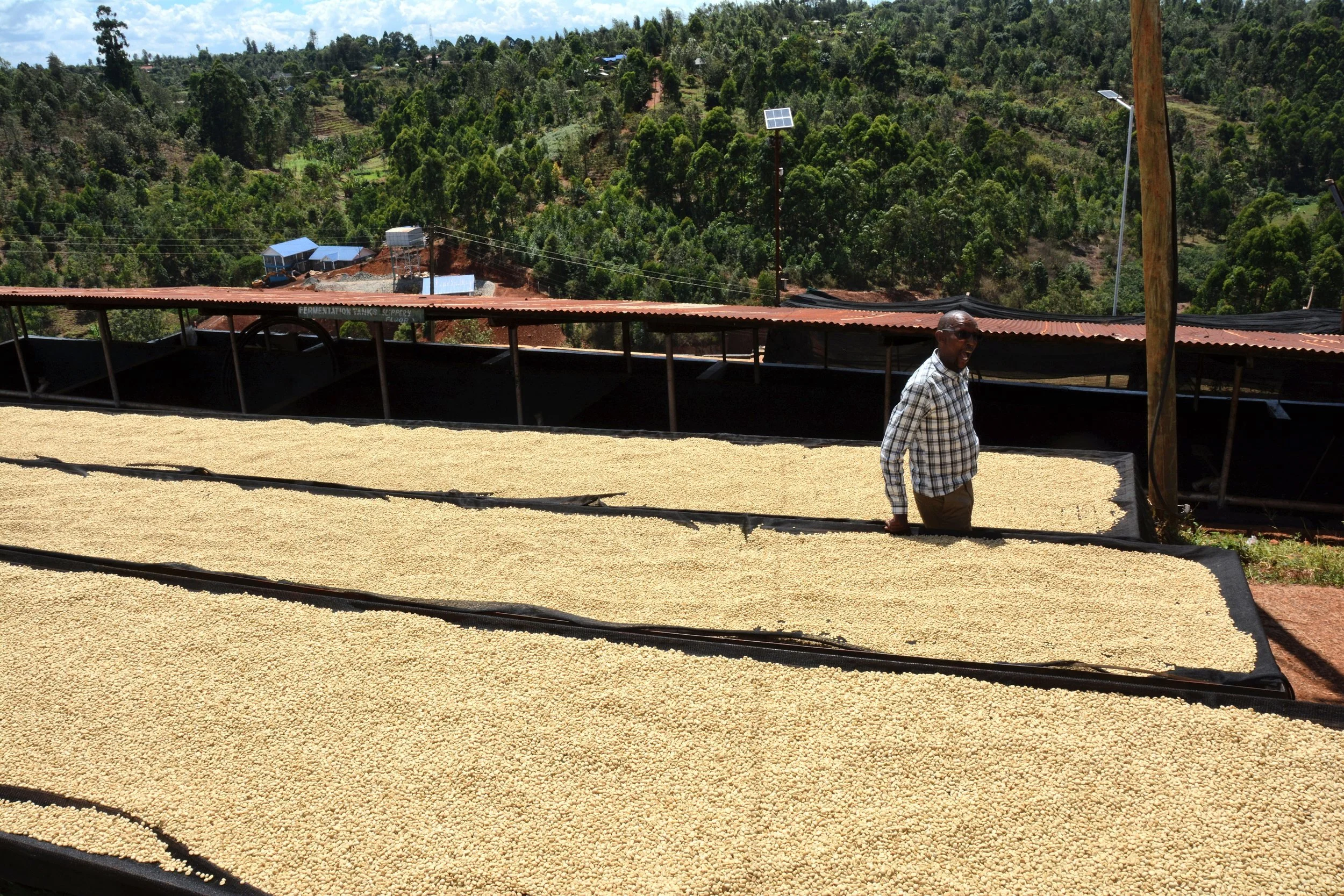
The 2026/27 auction season is under way. We are just back from Kenya with green samples from the Nairobi Coffee Exchange and from cooperative factories in Kiambu, including Handege and Gititu. Requests received now are filled from these samples and shipped from Pennsylvania, while our Kenya team keeps sampling new lots each week.
New for 2026/27
Kenya Slot Program
Keep a Kenyan single origin on your menu all year, without re-sourcing it every few months.
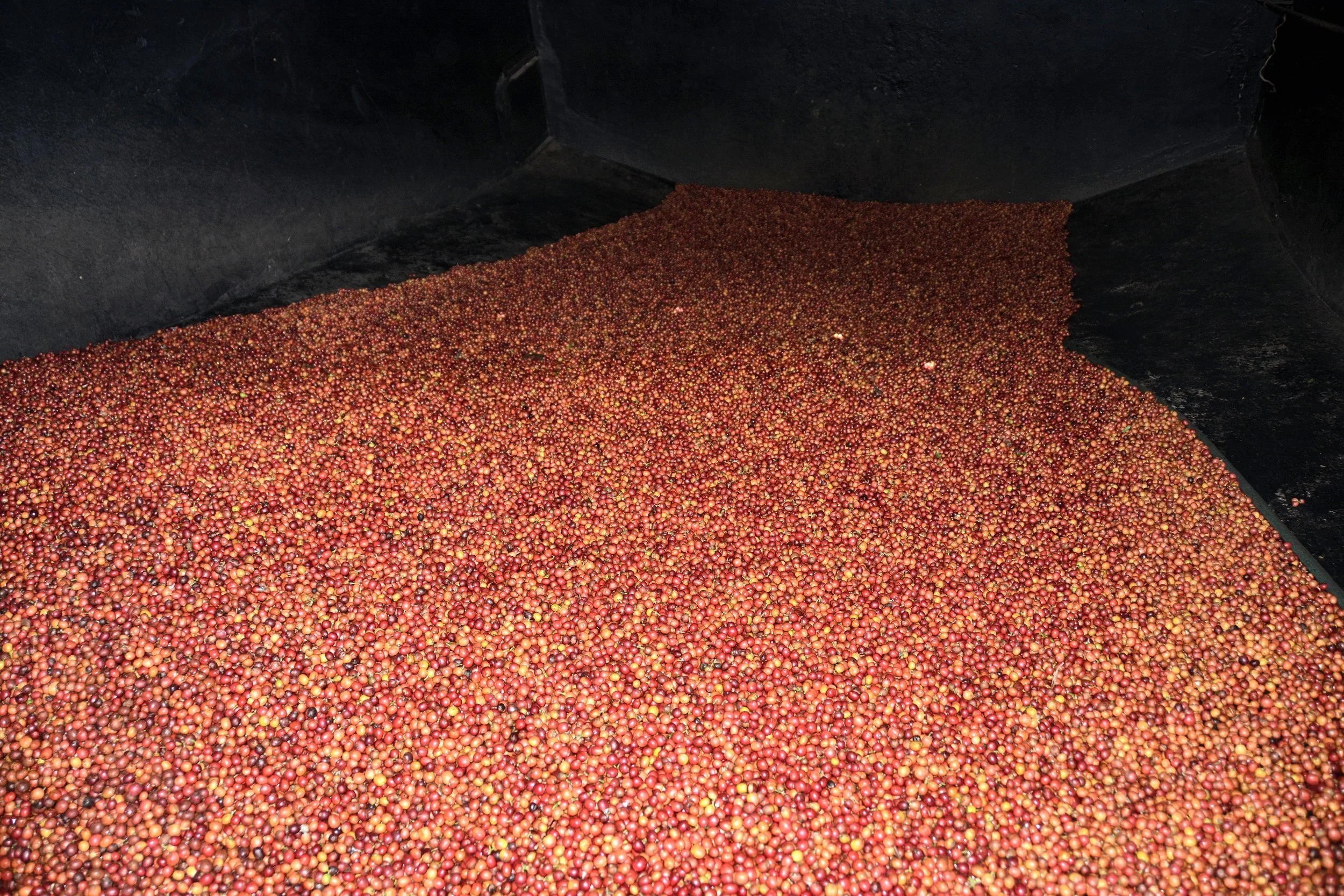
You reserve a slot: a yearly volume, a flavor profile and a price ceiling. We buy for all our slots together at the Nairobi Coffee Exchange, ship to our East Coast warehouse, and release your bags on a set schedule. A new factory lot rotates into your slot about every two months.
What we promise
Your profile, not a named factory. Every lot scores 84 or higher on the SCA cupping protocol, cupped by us, and is never priced above your ceiling.
One fixed price per lot. We quote it in writing before the first release. The price chain shows the auction price, our sister company’s buying and export fee, freight and US entry, and our margin, each on its own line.
Taste first. A 250 g sample of each new lot reaches you before it ships. If a release doesn’t match its sample, we replace it or credit it in full.
A story kit with every lot: factory, cooperative, county, altitude, cup notes and photos from origin.
Choose your slot
Pilot: 3 releases of one 60 kg bag, so you can try the program before you commit.
Standard: 12–36 bags over 12 months.
Anchor: 37 or more bags over 12 months, with first choice of our top lots.
Founding slots are open now
John Muturi and our Kenya team are already sampling and cupping this season’s coffee, and they keep cupping ahead of every sale. Ask for a cupping flight that shows the profiles we buy, so you can taste before you commit. The first eight founding roasters get top-lot priority for their first year. First arrivals are expected in early 2027.
The signed Program Agreement sets the final terms.
Request samples
Tell us who you are, where to ship, and which grades and cup profiles you’d like to cup. Submissions come straight to our team, or write to sourcing@marcusandbeams.com.
What you get with every lot
Bags: jute, with hermetic liners (GrainPro or similar)
Samples: 250 g, or a custom weight on request (note it in the form)
Minimum order: 60 kg (one bag)
Buying at the Nairobi Coffee Exchange yourself?
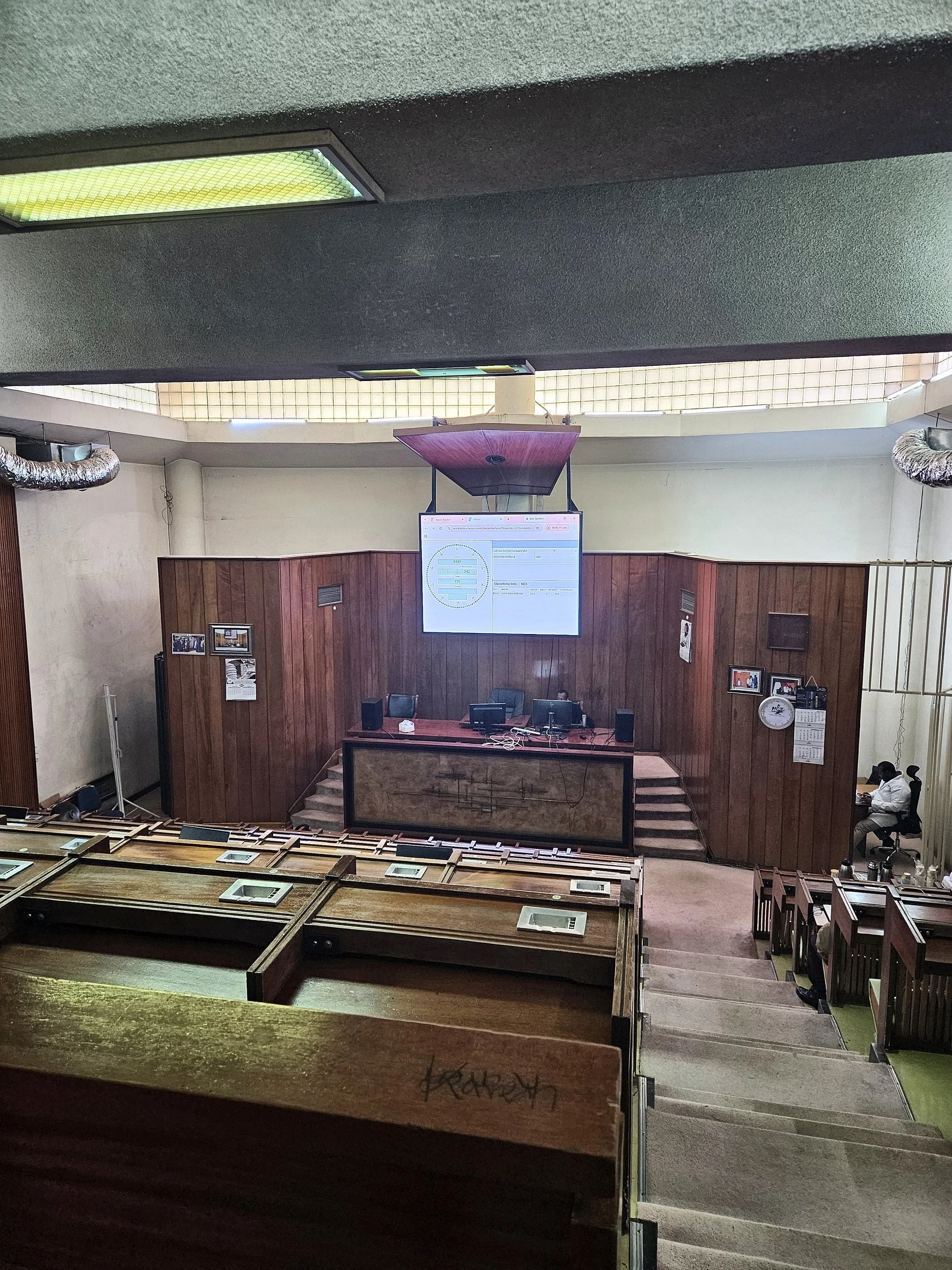
Our sister company in Kenya, Vortex Hive Ltd, is a licensed coffee dealer and can bid for you at the exchange. Its team cups the sale catalog, shortlists lots for your profile, bids up to the limit you set, and handles milling, export paperwork and shipment from Mombasa. The coffee is bought for your account, and you import it yourself.
For importers and roasters who book their own containers from Mombasa (full container load, FCL), by application.
Under a written agreement governed by Kenyan law. Fees are agreed for each engagement.
The money for each sale is paid in before bidding.
We never bid for two buyers on the same lot, and your price limits stay confidential.
Talk to us: Alex Muturi in the US, at sourcing@marcusandbeams.com or +1 717-368-9419. Or John Muturi, who runs our Kenya operation full-time, on +254 726 947 223 (call or WhatsApp).
Questions roasters ask
-
One 60 kg bag. You can buy an individual lot from a single bag, or try the Kenya Slot Program with a Pilot of three releases of one bag.
-
250 g per lot, or a custom weight on request. In the Kenya Slot Program, a 250 g sample of each new lot reaches you before it ships.
-
Every grade sold at the Nairobi Coffee Exchange: AA, AB, PB (Peaberry), E, C, TT, T and Mbuni. We’re rooted in the Mount Kenya region (Nyeri, Kirinyaga, Murang’a, Kiambu, Embu and Meru) and bid on lots from every other growing region, including the Rift Valley, Mount Elgon and Kisii. We cup every lot before we bid.
-
Kenyan coffee sells at weekly auctions, so current lots and pricing are on request. Every quote lists the auction price, our sister company’s buying and export fee, freight and US entry, and our margin, each on its own line.
-
Kenya’s main crop is harvested from about October and sold through the season at weekly auctions on the Nairobi Coffee Exchange. The 2026/27 season is under way, and first Kenya Slot Program arrivals are expected in early 2027.
-
We export from Mombasa through the Port of New York/New Jersey, with Marcus & Beams International LLC as US importer. Every lot is traceable to the factory or estate that produced it, and to the sale where we bought it.
-
Our sister company, Vortex Hive Ltd, a licensed coffee dealer with a seat at the Nairobi Coffee Exchange. John Muturi runs our Kenya operation full-time, and our Kenya team cups ahead of every sale.